

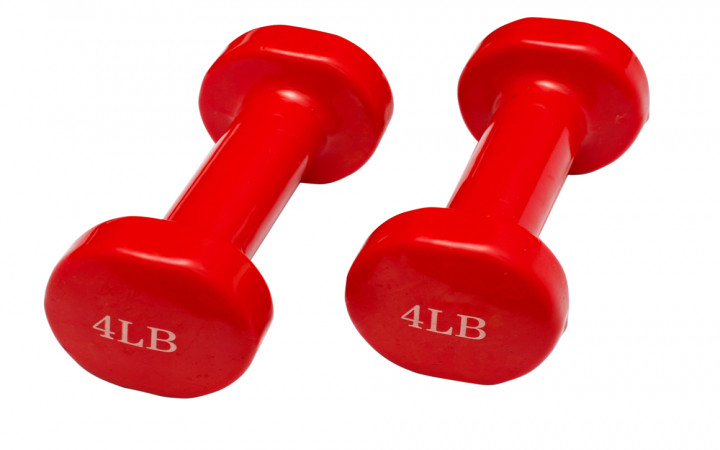
Today’s Wonder of the Day was inspired by MaKenna from AL. MaKenna Wonders, “why is pounds lbs?” Thanks for WONDERing with us, MaKenna!
When you're little, growing taller and getting bigger is a… well… BIG deal! Children often look forward to certain milestones that they'll reach only when they're tall enough or weigh enough. Of course, when you get older, getting bigger isn't nearly as fun anymore.
Have you ever stopped to wonder exactly what weight is? To learn about weight, we must also take a look at a idea: mass.
Mass measures the number of atoms in an object, combined with the density of those atoms. Mass is how much “stuff" is in an object.
Mass isn't the same as size, though. For example, a helium balloon is much bigger than a lead bullet, but it's also lighter and less massive.
Weight, on the other hand, measures the pull of gravity on an object. On Earth, mass and weight are closely . More massive objects tend to weigh more.
Weight changes if the amount of gravity pulling on an object changes. Take yourself, for example. If you weigh 100 pounds on Earth, you would weigh only 16.6 pounds on the moon! That's because the moon's gravitational pull is significantly weaker than Earth's.
If you went to the moon, you wouldn't have any less “stuff" in you. Your mass would remain the same. Your weight, however, depends on gravity and would be significantly smaller on the moon.
Have you ever noticed that the abbreviation for pound is “lb"? What's the deal with that? Wouldn't it make more sense if it were “po" or “pd"?
For the answer, we have to travel back to ancient Rome. The ancient Romans gave the name "Libra" to a constellation they thought looked like a pair of scales. The astrological sign Libra took its name from this constellation.
When the ancient Romans referred to weight, they used the term libra pondo. Libra meant "weight" or "balance scales," and pondo meant "pound." They eventually shortened the phrase to just libra, which they abbreviated “lb."
Oddly enough, our English word “pound" comes from pondo, but we kept the “lb" abbreviation of libra for “pound." Weird, right?
There's just no rhyme or reason as to why the word “pound" was taken from one Latin word but its abbreviation was taken from a different Latin word. It's just one of the mysteries of language!

